
What to Expect at a Cupping Session

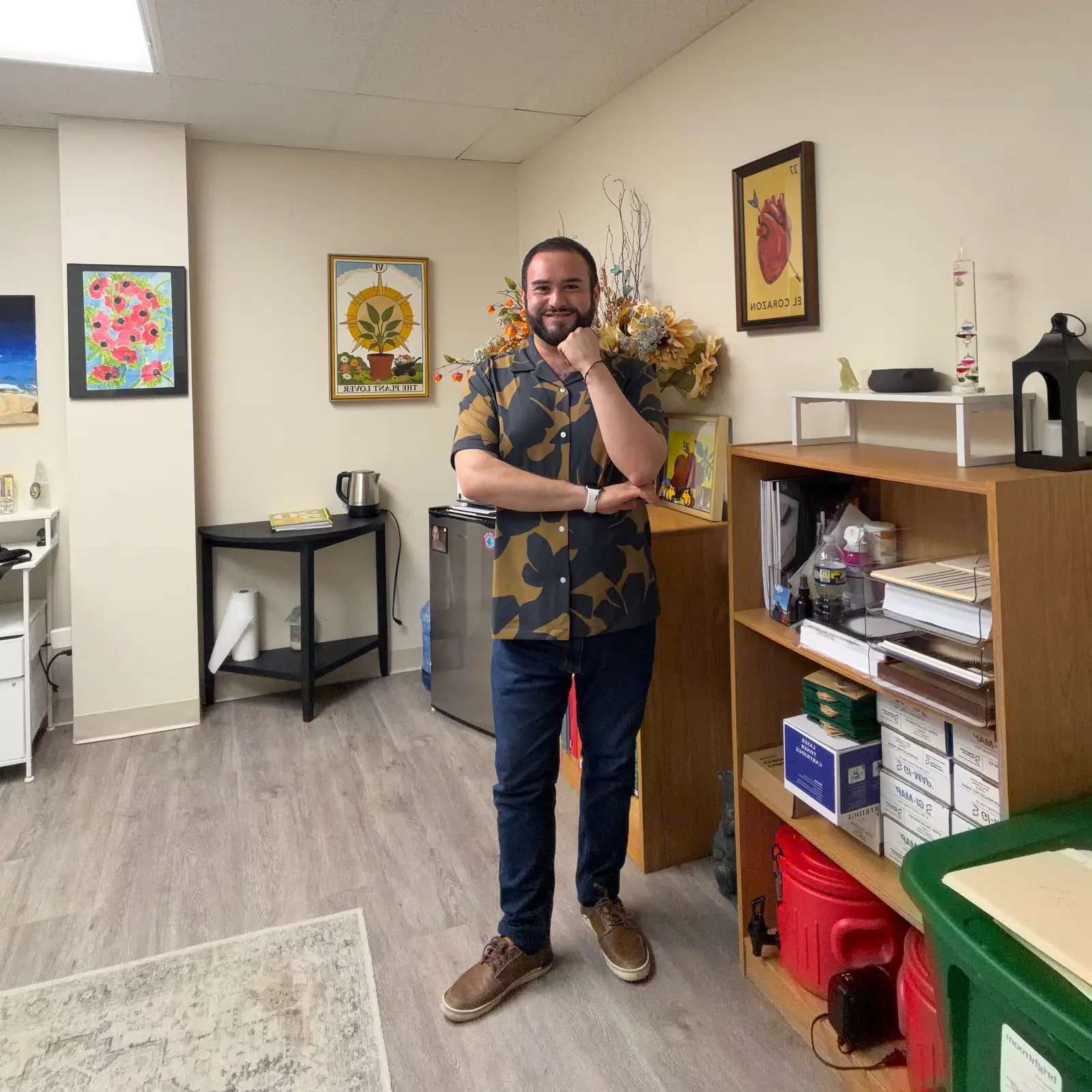
A Typical Cupping Session
When you arrive for your cupping appointment at AcuHerb Community Circle in California, MD, you'll meet with our practitioner to discuss your health concerns and treatment goals. The session begins with an assessment of the area to be treated, whether your back, neck, shoulders, or other affected areas. Your practitioner will apply a warm oil or herbal liniment to your skin, then use traditional glass, bamboo, or silicone cups to create gentle suction. You'll rest comfortably while the cups remain in place for 5 to 15 minutes, allowing the suction to draw blood flow to the surface and promote healing. Many people find cupping deeply relaxing during this time. The session typically lasts 30 to 45 minutes total, including consultation and any follow-up guidance.
Will It Hurt?
Cupping is generally not painful, though sensations vary. Most people describe a gentle pulling or stretching feeling rather than sharp pain. You may feel a warm, pleasant sensation as blood flows to the cupped area. Some mild discomfort is normal if the area is tense or inflamed, but your practitioner adjusts pressure throughout the session to keep you comfortable. If anything feels too intense, let your practitioner know immediately, they can reduce suction or reposition the cups. Many clients find cupping soothing and even fall asleep during treatment.

The Temporary Marks
After cupping, you may notice round or oval marks on your skin where the cups were applied. These marks are completely normal and are not bruises, though they may look similar. The marks reflect how the suction brings stagnant blood to the surface to be cleared by your body's natural healing process. The intensity of the marks depends on several factors: how much stagnation or tension was in the tissue, how sensitive your skin is, and the suction strength used. Marks typically fade within 3 to 7 days, though some may take up to two weeks to disappear completely. Lighter marks often fade within a few days. There is no pain associated with these marks, and they are a sign that cupping is working.

Aftercare and What to Do Next
After your cupping session, follow these simple aftercare steps to support healing. Drink plenty of water to help flush out toxins and prevent dehydration. Avoid strenuous exercise, hot showers, or cold exposure for at least 4 to 6 hours after treatment, your pores are open and your body is in a healing state. Stay warm and avoid drafty areas. Light stretching and gentle movement are fine. You may apply a soothing herbal oil or aloe if your skin feels tender. Most people notice immediate relief from tension and improved mobility, and benefits often deepen over the next few days as your body continues to heal.
Consultation
Your practitioner discusses your symptoms, health history, and goals. This helps determine the best cupping approach and suction strength for your needs.
Preparation
Your skin is cleansed and a warm oil or herbal liniment is applied to create a smooth surface for the cups and enhance the therapeutic effect.
Application
Cups are placed on the target area and suction is gradually created. Your practitioner adjusts positioning and pressure throughout to maximize comfort and effectiveness.
Rest and Healing
You relax while the cups remain in place for 5 to 15 minutes. This is when deep blood flow activation and tension release occur.
Removal and Assessment
Cups are gently removed and your practitioner assesses the response. Any marks are normal. You receive personalized aftercare guidance.
Follow-Up Care
Depending on your condition, your practitioner may recommend a treatment series spaced several days apart for cumulative results.