
Cupping for Muscle Pain and Recovery
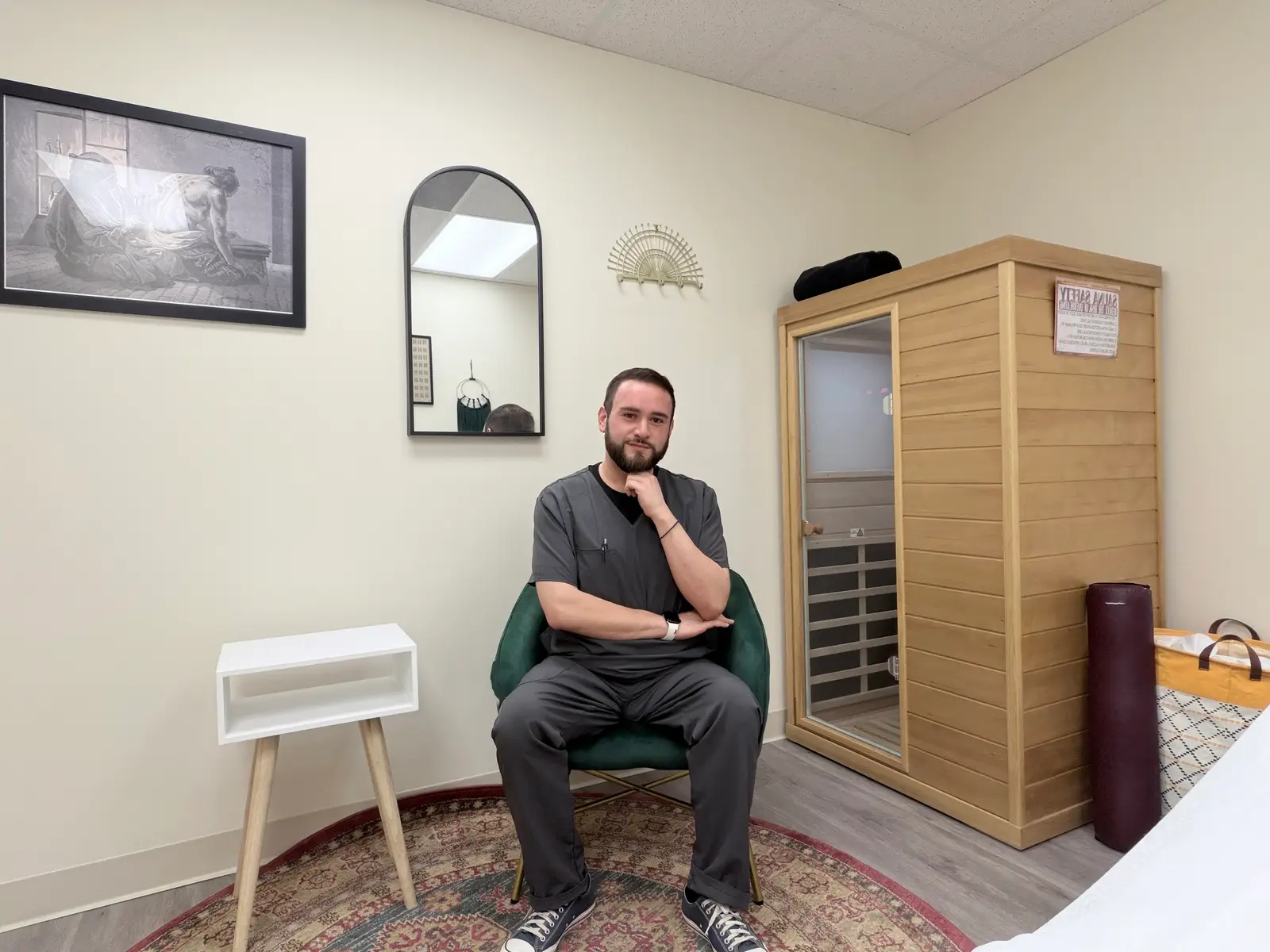

Cupping for Muscle Tension and Back Pain
Muscle tightness and chronic back pain respond well to cupping therapy. The gentle suction mobilizes stagnant blood and tension held in deep muscle layers, bringing fresh circulation to areas that feel locked. Many clients find cupping particularly effective for lower back stiffness, upper shoulder knots, and the kind of persistent ache that doesn't fully resolve with stretching alone. At AcuHerb, cupping is often combined with acupuncture to address both the surface tension and the underlying imbalances contributing to your pain.

Cupping for Post-Workout Recovery
Athletes and active individuals use cupping to speed recovery between intense sessions. By encouraging circulation and reducing inflammation in fatigued muscle groups, cupping helps flush metabolic waste and supports the body's natural repair process. The result is less delayed-onset muscle soreness (DOMS) and faster return to training. When paired with acupuncture, the combination addresses both muscle recovery and systemic energy balance, so you feel restored rather than just less sore.
How Cupping Pairs with Acupuncture
Acupuncture and cupping are natural partners in Chinese medicine. While acupuncture needles work at specific points to regulate energy flow and address root causes, cupping provides broad-area relief and mobilizes stuck circulation. Dr. Jay at AcuHerb often uses both in a single session when treating muscle pain or recovery needs, allowing the therapies to amplify each other. This integrated approach tends to deliver deeper and longer-lasting relief than either therapy alone.
Assessment and Consultation
Dr. Jay begins by listening to your pain history, training schedule, or recovery goals. He palpates the affected areas to identify where tension is held and determines whether cupping, acupuncture, or a combination best suits your needs.
Preparation and Positioning
You'll be positioned comfortably, typically lying face-down or on your side depending on which muscles are being treated. The skin is lightly oiled to allow the cups to glide smoothly and create a proper seal.
Application of Cups
Cups are placed on the targeted areas. You'll feel a gentle suction sensation as the cups draw the skin upward. Most clients find this sensation relieving, though it takes a moment to acclimate to the pull. Sessions typically last 5–15 minutes per area.
Post-Session Care
After cups are removed, the skin may show temporary redness or round marks (which fade in a few days to a week). Dr. Jay will discuss aftercare: stay hydrated, avoid intense exercise for 24–48 hours, and apply warmth if you feel any lingering soreness. You may already feel looser and more mobile before you leave.


Ready to recover and feel better
5.0 rating from 8 Google reviews